
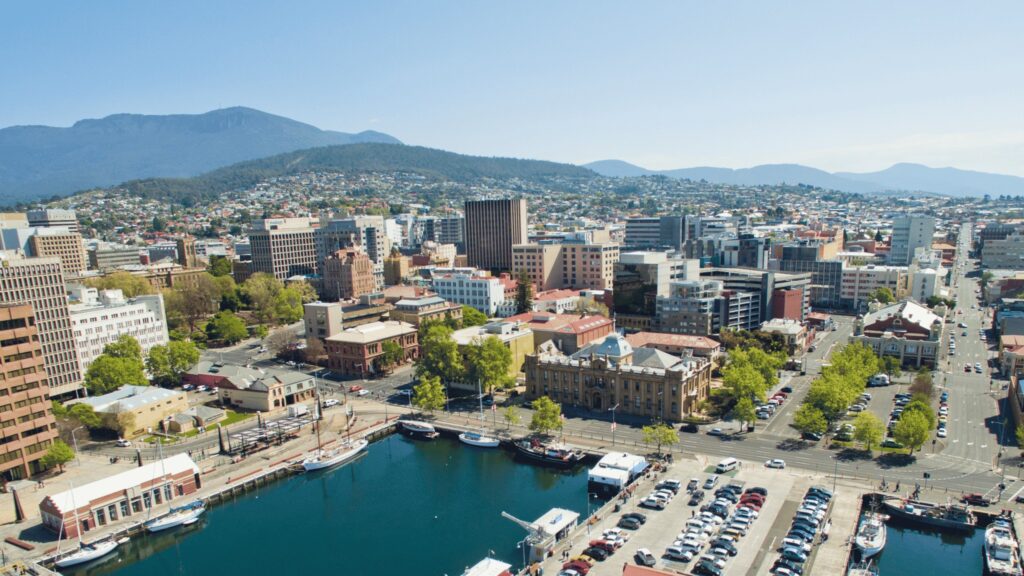

A proposal before Hobart City Council to ban automotive retail from the CBD risks doing real and lasting damage to jobs, investment and confidence in the city.
While presented as a planning measure to encourage different forms of development, the reality is far more serious. If adopted, the policy would represent a masterclass in how to undermine business confidence through an attention-seeking and poorly justified intervention. Far from being a minor zoning adjustment, it would strike at an industry that supports hundreds of jobs across greater Hobart.
The Tasmanian Automotive Chamber of Commerce (TACC) has been unequivocal in its opposition. Its chief executive officer, Peter Jones, has warned that council appears ready to disrupt a significant, highly skilled industry without proper consultation or a clear strategic rationale.
“We are talking about an industry that supports businesses with hundreds of employees in the Hobart region, delivering high-skilled employment, substantial private investment and critical training pathways,” Mr Jones said. “Council appears ready to disrupt all of this without proper consultation or clear justification.”
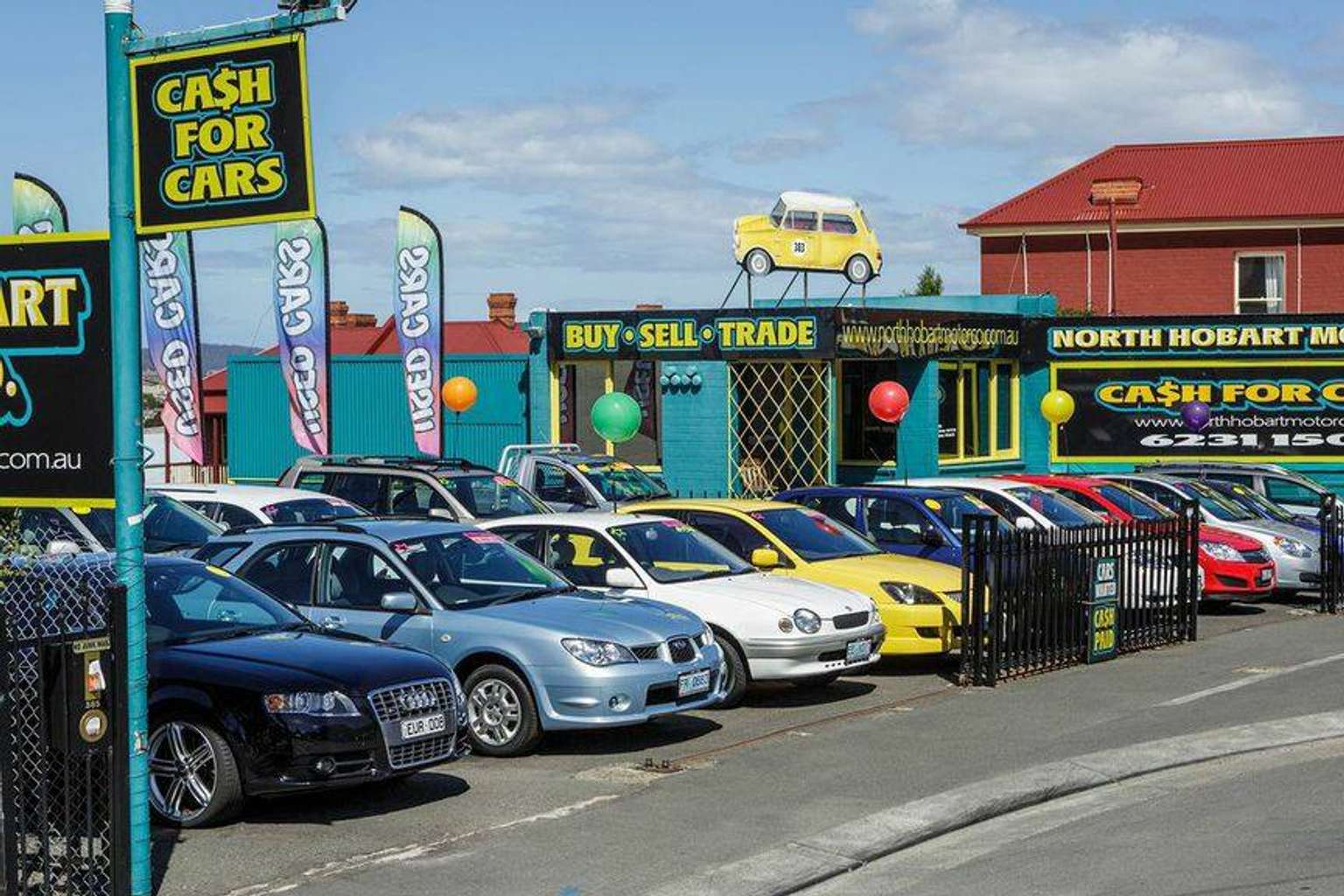
Beyond employment impacts, there are very real consequences for consumers and existing businesses. Automotive retailers depend on accessible, well-located sites that customers can easily reach. Forcing them out of established locations would create inconvenience for the public and impose additional cost burdens on businesses already operating in a challenging economic environment.
Mr Jones also questioned the planning logic behind the proposal, noting it would disrupt established employment precincts and long-term investment plans without any clear justification or meaningful engagement with the industry affected.
“This risks sending a deeply conflicting message about whether Hobart values and supports an industry that underpins Tasmania’s transport system, workforce mobility and broader economic activity,” he said. “Businesses have made long-term investments based on existing planning provisions. A planning control of this nature would create unintended and unjustified economic harm while undermining confidence in the integrity of Hobart’s planning system.”
Actively restricting an entire legitimate industry from operating in the city should be a red flag for anyone considering investing in Hobart. It also raises an obvious and troubling question: what comes next?
Once council starts deciding which legitimate businesses are acceptable and which are not, the precedent becomes deeply concerning. Large-format retailers of all kinds – appliance stores, hardware outlets and stationery suppliers – could easily find themselves next on the chopping block.
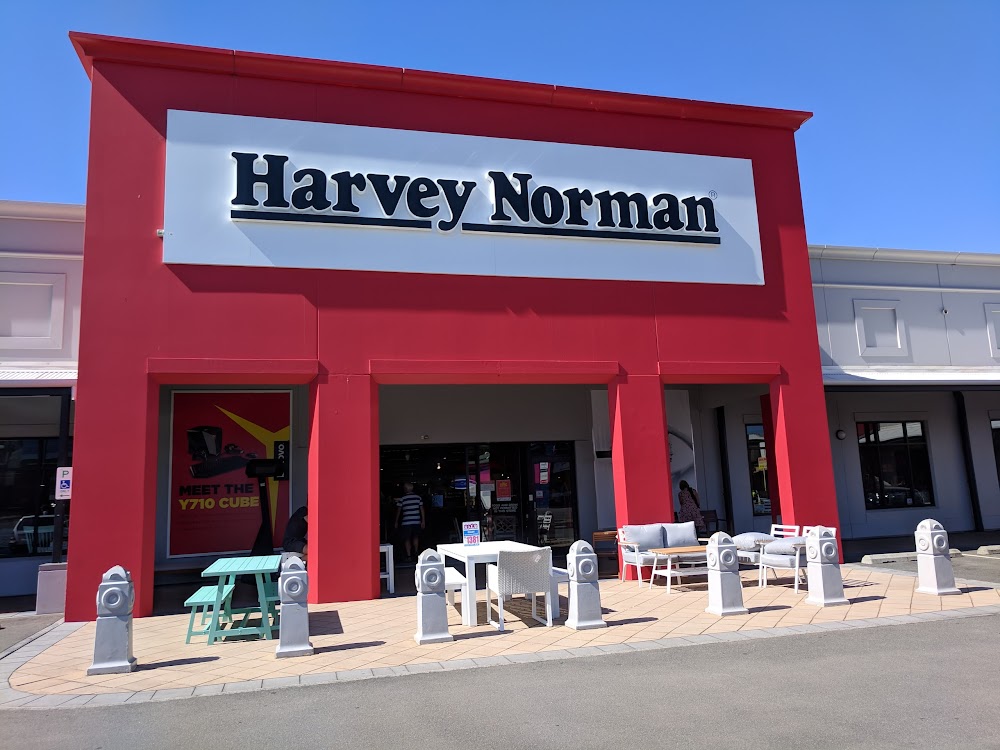
Does this mean Harvey Norman, Mitre 10 or Officeworks are in the crosshairs? When a city sends a signal that some mainstream businesses are no longer welcome, it creates uncertainty for all investors, not just those in the automotive sector.
Car dealerships provide jobs, essential services and significant economic activity. Pushing them out does not magically improve the city; it simply shifts opportunity elsewhere and leaves Hobart with fewer choices, fewer services and fewer employment pathways.
If we genuinely want a thriving and dynamic city, we should be making it easier for businesses to operate and invest here, not erecting new barriers that undermine confidence in Hobart as a place to do business.
Supporters of the proposal argue it is about encouraging housing and mixed-use development. That claim does not withstand scrutiny. This is not a housing policy; it is a policy of exclusion that seeks to ban and control lawful activities that do not align with a particular planning ideology. Private vehicle use, and the businesses that support it, sit uncomfortably within that worldview, which is precisely why automotive retail has been singled out.
Mixed-use redevelopment does not need to be mandated. As the automotive sector consolidates, market forces are reshaping site use and investment decisions. In many cases, the next logical step for these sites is mixed-use development driven by commercial reality, not political intervention.
Singling out any legitimate business sets a dangerous precedent. The market, not council ideology, should determine the best use of commercially zoned land.
Hobart cannot afford policies that discourage investment, undermine existing employers and replace market-led change with heavy-handed controls. If we want a stronger city with more jobs and greater opportunity, we should be backing businesses that invest here, not telling them they are no longer welcome.
Edwin Johnstone
Chair, Confederation of Greater Hobart Business